
Creating More Equitable Writing Assessments: How Teachers Can Grade Writing Fairly and Consistently
It’s no secret that grading writing can feel subjective, even for the most experienced teachers. Unlike a math assessment where an answer is clearly correct or incorrect, writing includes many layers: ideas, organization, sentence structure, word choice, grammar, creativity, and overall effectiveness. Two teachers can read the same piece of writing and notice completely different strengths and areas for growth.
However, just because writing assessment includes professional judgment does not mean grading has to be inconsistent or unfair. With intentional systems in place, teachers can assess student writing in a way that is clear, meaningful, and equitable.
Equitable grading is the practice of ensuring that assessment practices are fair and consistent while recognizing that students come into the classroom with different backgrounds, experiences, and levels of support. In writing instruction, this means creating grading practices that accurately measure a student’s writing skills rather than factors outside of their control.
Start With Clear and Consistent Expectations
One of the most effective ways to make writing assessment more equitable is to establish clear criteria before students ever begin writing. When expectations are vague, grading becomes more subjective. Teachers may unintentionally place more value on personal preferences, writing style, handwriting, length, or creativity rather than the specific skills being assessed.
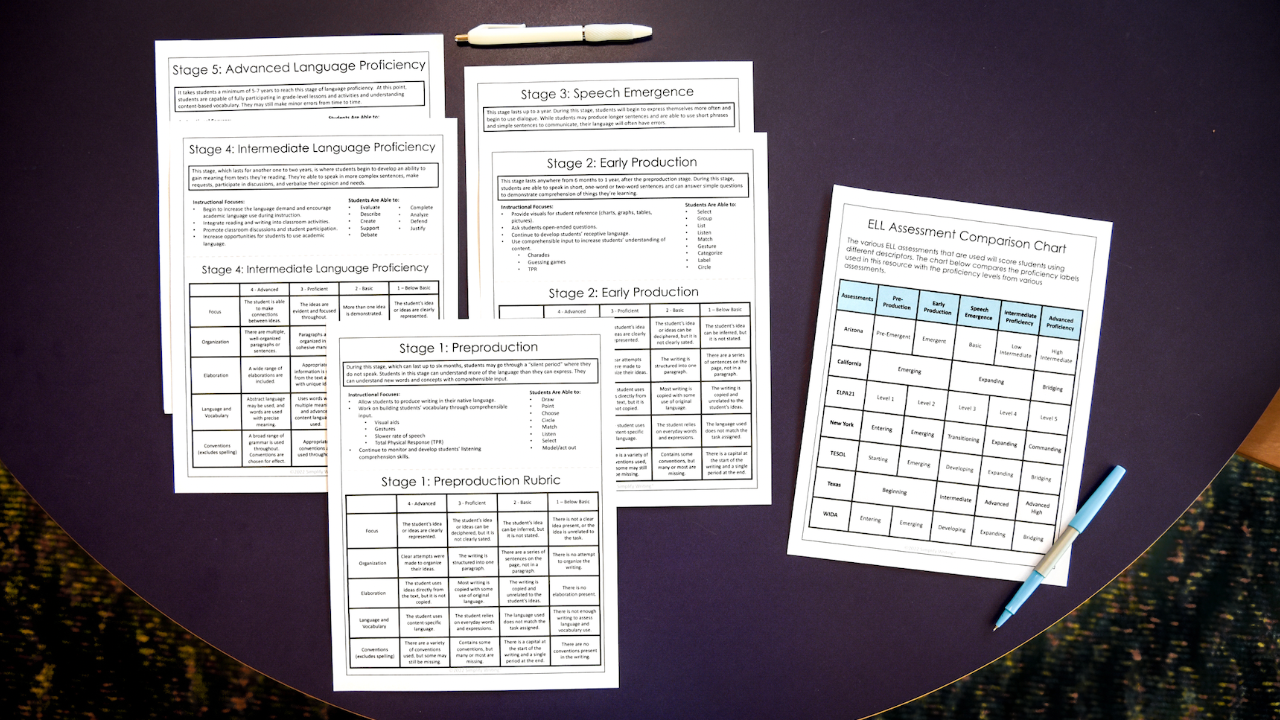
A strong writing rubric or checklist helps both teachers and students understand the goal of the assignment. Instead of simply asking, “Is this a good essay?” teachers can evaluate specific skills:
-
Did the student write a clear topic sentence or introduction?
-
Did they organize their ideas logically?
-
Did they include relevant details or evidence?
-
Did they use appropriate transitions?
-
Did they revise their writing for clarity?
-
Did they demonstrate grade-level grammar and conventions?
When students know exactly what successful writing looks like, they are more likely to meet expectations. Clear criteria also allows teachers to focus their feedback on skills rather than comparing one student’s writing to another’s.
Separate the Writer From the Writing Skill
One challenge in writing assessment is that teachers often know their students’ abilities, effort levels, and personal situations. While relationships with students are incredibly important, these factors can sometimes unintentionally influence grading.
For example, a student who has always struggled with writing may receive extra credit in our minds because we recognize how much they improved. On the other hand, a naturally strong writer may receive a lower score because we know they could have done better.
Growth matters, but writing assessments should clearly distinguish between mastery and improvement. A student’s grade should reflect the specific writing skills being assessed, while growth can be celebrated through conferences, feedback, portfolios, and goal setting.
Provide Feedback That Leads to Growth
Equitable writing assessment is not just about assigning a final grade. It is about creating opportunities for students to become stronger writers.
Unlike many other subjects, writing improves through practice, feedback, and revision. A student’s first attempt rarely represents their best ability. Providing students with meaningful feedback and opportunities to revise helps shift writing from a one-time performance into a learning process.
Effective feedback should be specific and actionable. Instead of comments like:
“Add more details.”
Students benefit from feedback such as:
“Your topic sentence clearly introduces your opinion. Now add two examples that explain why you feel this way.”
This type of feedback helps students understand their next step and gives them a clear path toward improvement.
Consider Barriers That Impact Student Performance
Equitable grading also requires teachers to consider factors that may affect a student’s ability to demonstrate their knowledge.
Students enter classrooms with different experiences, language backgrounds, learning needs, and access to support. A student may have strong ideas but struggle with spelling. Another student may understand a topic deeply but need support organizing their thoughts. English learners may be developing academic vocabulary while simultaneously learning writing expectations.
The goal is not to lower expectations. Instead, equitable instruction provides the support students need to reach high expectations.
This may include:
-
sentence frames
-
graphic organizers
-
teacher modeling
-
writing conferences
-
additional practice opportunities
-
assistive technology
-
opportunities for oral rehearsal before writing
These supports allow teachers to assess the writing skill being taught rather than allowing unrelated barriers to prevent students from showing what they know.
Recognize and Reduce Bias in Writing Assessment
Because writing is personal, it is especially important to recognize how unconscious bias can impact assessment. A student’s handwriting, background knowledge, dialect, interests, or writing style can unintentionally influence how a piece is evaluated.
Teachers can reduce bias by using consistent rubrics, focusing on specific skills, reviewing examples of different proficiency levels, and reflecting on grading patterns over time.
It can also be helpful for grade-level teams to score writing samples together. Collaborative scoring helps teachers align expectations and develop a shared understanding of what grade-level writing looks like.
Equitable Does Not Mean Easier
A common misconception about equitable grading is that it means lowering expectations. In reality, equitable grading is about maintaining high expectations while ensuring students have a fair opportunity to meet them.
Strong writers are not created by simply assigning more writing. They are created through explicit instruction, clear expectations, purposeful feedback, and meaningful opportunities to improve.
When teachers use consistent and thoughtful grading practices, writing assessment becomes more than a score at the top of a page. It becomes a tool that helps every student understand where they are, where they are going, and how they can continue growing as a writer.
